🤖 What does a system “designed with AI at its core” actually look like?
🧩 Not “adding AI for fun,” but putting it in the driver’s seat
Instead of:
Building everything first and then saying “let’s add AI somewhere,” or treating AI like a late-stage bonus feature 🎁
→ An AI-first system starts by asking:
❓“If AI is smart enough to handle most of the logic — then what should humans do?”
🏗️ Redesigning the workflow
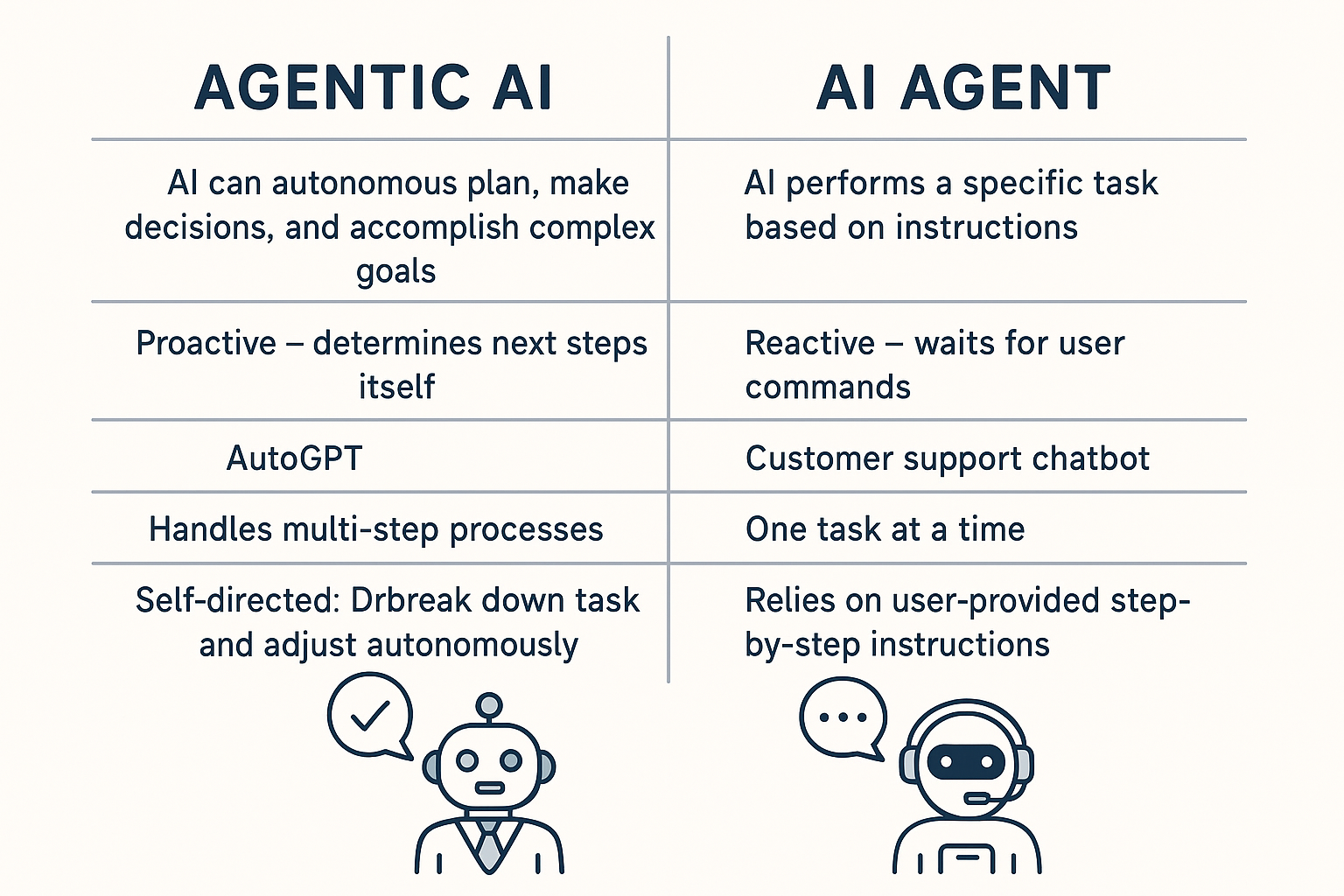
- Humans don’t write commands — they set direction
- Users don’t manually click through steps anymore
👉 They provide goals or intentions, and the system handles the rest:
- interprets the intent
- plans actions
- suggests next steps
- asks back when needed
- and… learns from history so it asks less next time 😌
That’s human-in-the-loop, but with a lighter, smarter loop.
🕹️ Logic becomes conversational, not rigid
Instead of hardcoding rules, you use:
- LLMs for reasoning and contextual responses
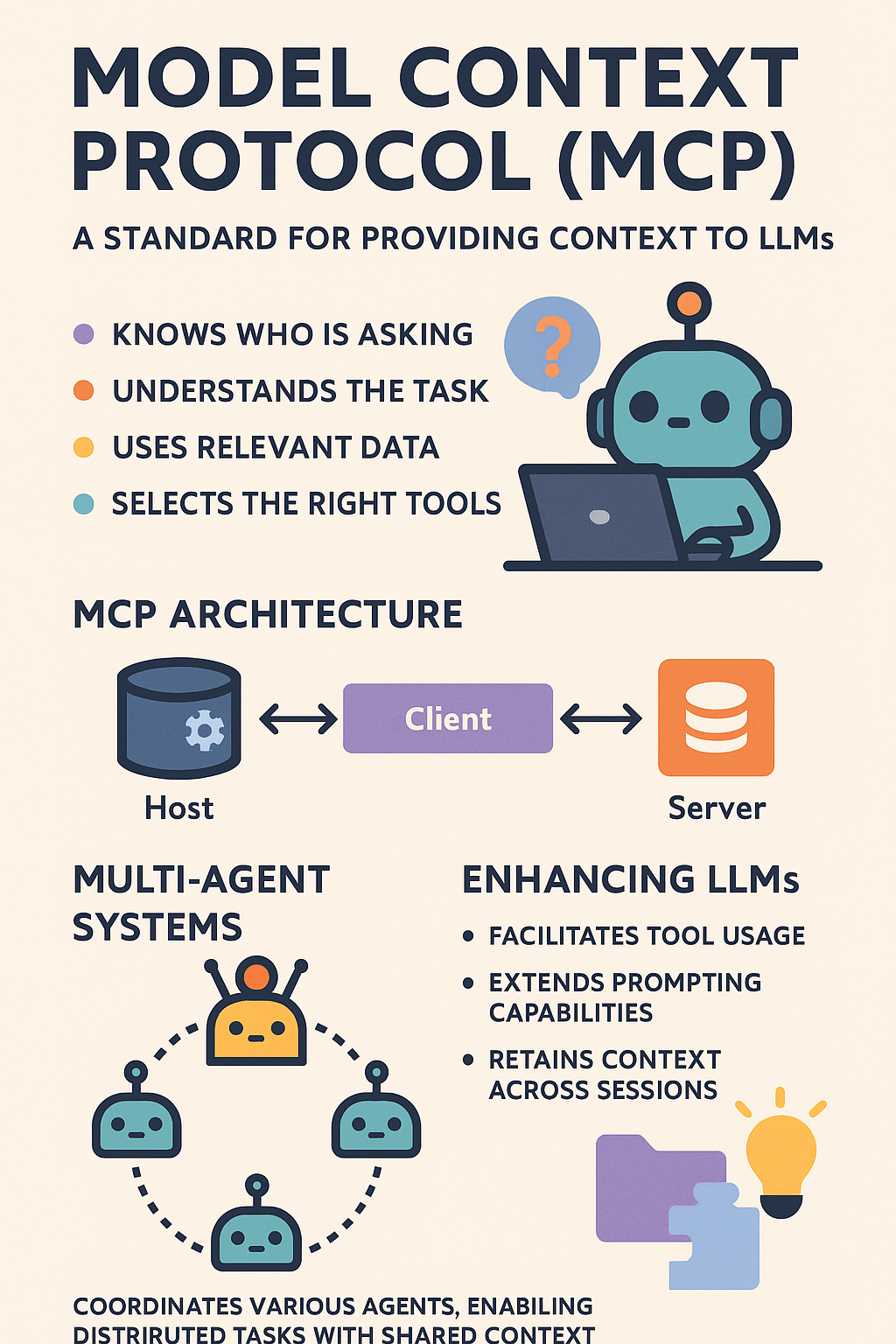
- a graph of agents to orchestrate tasks dynamically
- retrieval to keep knowledge fresh in real time
👉 The result? A system that adapts, instead of just executes.
💡 A real case:
I once built a trading assistant where:
- Users didn’t write strategy code
- They just described it in plain language: “Buy when RSI is below 30 and price breaks out upward.”
- AI turned that into a plan — conditional flow + entry/exit logic
- The backend used a flow engine with an LLM as the conductor 🎼
→ The strategic thinking was still yours,
but the execution and monitoring were handled by AI.
🎯 So…
If you’re building:
- a SaaS product
- an automation workflow
- an internal assistant
- or just want to cut repetitive manual work
Try flipping the question:
💥 “If AI were the team lead — where would humans fit in?”
You’ll discover a new breeze in system design — leaner, more flexible,
and surprisingly… a lot more fun 😄
👉 Have you ever tried designing a product the AI-first way?
Got any interesting stories? Share them below — I’d love to hear!
#AI #AI_First #LLM
LLM Engineer Starter Pack — Coming Soon
Build with LLMs. Get early access.